

Efficient Wood Burner Use: Tips for Suffolk’s Stove Owners
January 2, 2026
Efficient Wood Burner Use: Tips for Suffolk’s Stove Owners
Wood-burning stoves have become incredibly popular across Suffolk, providing both warmth and that unmistakable cozy glow. If you’re a stove owner in Bury St Edmunds or the surrounding villages, you likely appreciate the charm and cost-savings of heating with wood. However, getting the most out of your wood burner isn’t as simple as just lighting a match. Efficient use of a stove requires a bit of know-how: choosing the right wood, operating the stove correctly, and maintaining it well. In this guide, we offer practical tips for Suffolk’s stove owners on how to use your wood burner efficiently and safely. With a friendly tone and local perspective, we’ll cover everything from selecting fuel to managing airflow. Whether you’re new to wood stoves or a seasoned firelighter, these insights will help you maximize heat output, minimize waste, and practice good stove safety Suffolk residents can rely on. Let’s stoke those fires smartly!
Use Seasoned Firewood – It Makes All the Difference
The number one factor in wood burner efficiency is your firewood quality. Always burn seasoned, dry wood in your stove. This cannot be stressed enough. Properly seasoned wood (with low moisture content, under ~20%) ignites easily, produces more heat, and creates far less smoke and creosote. In contrast, damp or “green” wood wastes energy evaporating water and gives off a lot of smoke and soot, gunking up your stove and chimney. It’s also an environmental and health concern – wet wood releases higher particulate pollution. The UK government recognized this and in 2021 enacted rules to phase out sales of wet wood. Now any firewood sold in small quantities must be kiln-dried or air-dried to 20% moisture or less and labeled “Ready to Burn”. So when buying logs in Suffolk, look for that Ready to Burn certification or ask your local supplier if the wood is fully seasoned.
If you cut or source your own wood, be sure to season it for at least a year (preferably two). Store logs split and stacked under cover, with good air circulation. Many Suffolk stove users prepare a year’s worth of wood each spring for the following winter. You’ll know wood is ready when it’s lighter in weight, has cracks in the ends, bark peels off easily, and it burns without hissing or excessive smoke. Two of the best woods for burning are Ash and Oak, common in our region – Ash can even burn reasonably well when not fully seasoned (it has lower moisture when green), but it’s still best to dry it thoroughly. Oak is very dense and absolutely needs a long seasoning (2 years or more) but rewards you with high heat output. Other good hardwoods to use include beech, birch, hawthorn, and fruit woods like apple. Avoid resinous softwoods like pine or spruce except for kindling or quick fires – they tend to spark and can coat your flue with resin deposits, though if they’re very dry they can be okay in moderation.
Using well-seasoned wood means you’ll burn less wood for the same heat, saving you effort and money. It also protects your chimney – dry wood produces significantly less creosote buildup. If you’ve ever had a lazy fire that smokes a lot, the culprit was likely damp fuel. The fire was inefficiently smoldering rather than hotly burning. By contrast, a bright, hot fire using dry logs will have a clearer exhaust (mostly heat waves and light smoke) and will heat your room more effectively. So, start with good fuel; it’s the foundation of efficient wood burner use.
Hardwood vs. Softwood – Choosing the Right Logs
Not all firewood is created equal. As a stove owner, you’ll benefit from understanding the difference between hardwood and softwood logs. Hardwoods come from deciduous trees (oak, ash, beech, etc.), and are generally denser. Softwoods are from conifers (pine, fir, spruce). The density affects burn behavior: hardwood logs burn longer and produce more heat per volume than softwoods, because they’re more dense. If you buy a cubic meter of hardwood vs. softwood, the hardwood will typically yield more energy (since it has more wood matter packed in). This makes hardwood preferable for long, sustained burns and cold winter nights. You’ll notice an oak or ash log will sit in the stove glowing for a long time, while a pine log of the same size might blaze bright but be gone quickly.
Softwoods, on the other hand, catch fire quickly and can provide a nice burst of flame – which is why they’re excellent for kindling and getting a fire started. Many people use a mix: start the fire with some dry softwood kindling and smaller pieces, then once it’s going, add hardwood logs to sustain it. Softwood is also fine for milder weather when you might want a quick fire that doesn’t burn for ages. Just beware that some softwoods (like pine) contain a lot of sap and resin; these can cause more creosote deposits in your chimney if your fire isn’t hot enough. If you do burn pine or similar, make sure it’s bone dry and maintain a good hot flame to combust the resins as much as possible.
In Suffolk, hardwood logs like ash, oak, sycamore, birch, and cherry are commonly available and great for stoves. Ash is often favored because it seasons relatively quickly and burns with a steady heat. Birch burns hot and bright but a bit fast (its bark makes a good natural firelighter). Oak is superb for long overnight burns once well-seasoned. If you come across fruit tree wood (apple, pear, etc.), those are fantastic too – they burn slowly and have a pleasant aroma. Softwoods like larch or cedar can be used in shoulder seasons or mixed in. The key is to balance your fuel load based on your needs: for an efficient burn, use hardwood as the main fuel for sustained heat, and use softwood for quick heat or starting fires. And of course, regardless of type, ensure all logs are fully dried. Even an oak log will smoke and smolder if it’s wet.
Light the Fire the Right Way
Efficiency starts from the moment you light your wood burner. There’s a bit of an art to lighting a stove cleanly and effectively. One popular method is the “top-down” lighting technique: place a couple of larger logs at the bottom, then a layer of smaller logs or split wood, then kindling on top, and your firelighter at the very top. By lighting at the top, the fire burns downward and the initial flames warm the flue faster, establishing good draft while igniting the fuel below gradually. This method often produces less smoke at startup and heats the stove up quicker. It might feel counterintuitive if you’re used to teepee or bottom lighting, but give it a try – many stove users swear by top-down lights for a cleaner start.
No matter the method, always use plenty of kindling and at least one or two firelighters (or newspaper) to get a strong flame going quickly. The goal is to heat the chimney/flue rapidly to create an upward draw. A warm flue will pull air through the stove and keep smoke going out. If you light a fire too slowly or with insufficient kindling, the stove might belch smoke back into the room and struggle. So don’t skimp on the small stuff at the beginning. Open your stove’s air vents fully to feed maximum oxygen while lighting. Keep the door slightly ajar for the first minute or two if needed to boost airflow (but not so long that smoke escapes into the room). You’ll hear the fire rumble to life and see the flames establish.
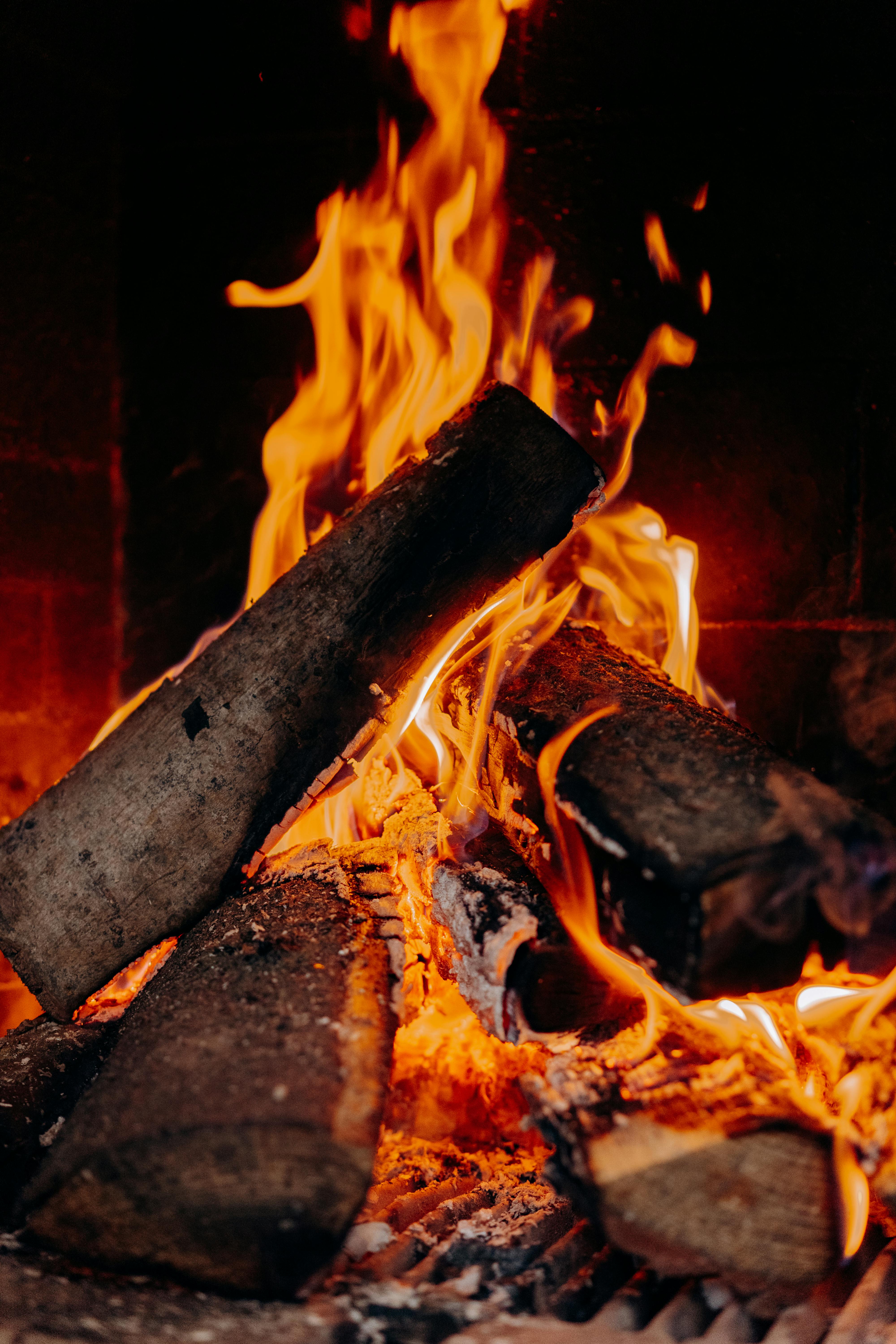
Once your fire is burning well and the first logs catch, gradually add larger pieces of wood. It’s better to add one log at a time and let it burn well than to cram in too many logs which could stifle the flames. Modern stoves are designed to burn best with a hot flame, not an overfilled firebox. Aim for bright, active flames during the initial and middle stage of the burn. This is when the fire is hottest and burning off the volatile gases from the wood. If you damp down too soon, those gases will just condense as creosote in your chimney instead of providing heat. In summary, light quickly, burn hot at first, and only then reduce air once you have a bed of charcoal and want to maintain a steady burn.
Don’t “Slumber” Your Stove (Avoid Slow, Smoky Burns)
While it’s tempting to close the air vents and let a fire smolder overnight, running your stove in a low-air, smoldering state is inefficient and risky. When a stove “slumbers” (minimal air intake, wood just smoking and barely flickering), it creates a lot of unburned smoke and tars. The energy from the wood isn’t being fully released as heat – instead, it’s coating your flue with creosote and polluting the air outside heavily. In fact, one of the main causes of chimney issues is overnight or unattended low-temperature burning, which leads to buildup in the chimney. Moreover, a slumbering fire can cause a rapid flare-up if a draft suddenly increases or when you do open the vent in the morning, potentially causing a surge of flame (and if a lot of soot is in the chimney, that’s a recipe for a chimney fire).
For efficiency and safety, it’s better to let the fire burn a bit more briskly and then die down naturally if you don’t need more heat, rather than choke it excessively. Modern stoves, especially EcoDesign models, are built to burn cleaner when operated in their optimal airflow range. If you need an overnight burn, consider using a smokeless fuel or a dense hardwood log that can keep a glow for many hours, and set the air just enough to keep it going, but not so little that it sits in heavy smoke. You can also bank a stove (rake coals to the front, place a new log at the back) which sometimes helps maintain a burn with less smoke.
The key takeaway is: avoid long periods of very low burn. Not only is it inefficient (wasting wood for little heat), it also creates those black tar deposits that you’ll later need a chimney sweep to remove. Keep an eye on your chimney outside – if you see thick smoke for more than a few minutes after startup, something’s off in your burning technique or wood quality. A properly burning stove after the first few minutes should have only a wisp of smoke. If you must leave the stove, ensure it’s stable and not choked to the point of smoldering. It’s safer to let it burn out than to risk a smoldering fire producing CO and creosote. In sum, burn hot and clean whenever feasible, and avoid using your stove like a slow cooker – it’s not meant for that, and both your heat output and chimney will suffer.
Use Your Stove’s Air Controls Wisely
Understanding and using the air vents on your wood burner is crucial to efficiency. Most wood stoves have at least two controls: a primary air (usually feeding under the grate or door) and a secondary/airwash (feeding air higher up, often over the glass). Some also have a tertiary air for reburning. When lighting and during the early flaming stage, keep both primary and secondary air fully open. This ensures maximum oxygen for combustion. As the stove gets up to temperature and you have a good fire going (the stovetop or flue pipe thermometer is in the optimal range, if you use one), you can start to throttle back the primary air. Primary air is often used more for burning coal or when starting wood; once wood is charred and burning well, it typically prefers secondary air (air above the fire) for a cleaner burn. You’ll want to reduce the primary air first (which slows the fire a bit) and use the secondary air to maintain flame. The secondary air not only provides oxygen but also helps keep the glass clean by creating an airwash.
Adjust in small increments and wait a minute or two to see the effect before adjusting more. If you close things down too much and the flames die out, reopen to reignite. You’re aiming for a gentle rolling flame, not a roaring blast and not a lazy smolder. If flames disappear and you just have dull red logs and lots of smoke swirling, you’ve likely closed down too far. Open up to reignite. On the other hand, if the fire is roaring or you hear a sucking sound, you may have it too open – you’re throwing heat up the chimney. Find that middle ground where the fire is burning steadily, with flames just touching the logs and the wood gradually turning to glowing coals. That’s the sweet spot for heat and efficiency.
For many stoves, the secondary air control is the primary one used during normal operation – some stove makers even advise keeping primary air closed once the fire is established, and using only secondary to control the rate. Check your stove’s manual for guidance, as designs vary. In summary, learn your stove’s breathing: lots of air when it’s hungry (startup and refueling), and moderate air when it’s cruising. If you add fresh logs, you should boost the air again until they catch fire properly, then you can turn down to cruising mode. Mastering the air controls will reward you with more heat from every log and a cleaner chimney.
Keep Your Stove and Flue Clean
An efficient stove isn’t just about how you burn, but also how well you maintain the stove itself. Over time, ashes build up, soot can accumulate, and the stove’s components (like baffle plates, door seals, and air inlets) may get dirty or worn. Regular cleaning will ensure your wood burner runs at peak performance. Start with the basics: empty the ashpan as needed. A little ash bed can actually help new logs burn (especially in some stoves that like an ash cushion), but too much ash will clog airflow from below and can spill into air vents. Every few days of burning, clear out excess ash into a metal bucket (make sure ashes are completely cold!). Also, clean the stove glass when you notice soot buildup – it’s not just about aesthetics; a sooty glass can indicate suboptimal burning. Use a damp newspaper dipped in fine ash or a proper stove glass cleaner to gently remove deposits. Keeping the glass clear helps you monitor the fire and enjoy the view.
At least once a season, do a more thorough stove check: remove the baffle (throat plate) if your stove design allows, and clear any soot or debris sitting on top of it. This area can collect flakes of soot or creosote and eventually obstruct flue flow. Check that your door seals (rope gaskets) are intact and snug. If you see fraying or gaps, have them replaced – leaky door seals let in excess air that can make the stove hard to control and less efficient. Also ensure the air inlets (primary and secondary) are not clogged with ash or tar. Sometimes insects or debris can get into air channels too, so make sure they’re clear.
Importantly, maintain your chimney or flue pipe with regular sweeping (as discussed in the earlier Chimney Safety section). Efficiency and safety go hand in hand here: a clean flue improves draft, which means your stove pulls in air better and burns fuel more completely. If you notice your stove’s performance degrading – for example, it’s harder to start, or smoke puffs out when you open the door – that’s a sign the flue or stove passages might be due for a cleaning. In general, for someone burning wood through the winter, an annual chimney sweep is recommended and will keep your system breathing freely. In high-use cases, a mid-season sweep might be beneficial too (many Suffolk stove owners get a sweep in late summer and another in mid-winter if they use the burner daily).
One more tip: check your stove for any signs of damage or warping periodically. Over-firing (burning too hot) can sometimes warp metal plates. If you ever see parts inside that look deformed or cracked (like fire bricks or baffles), address it promptly by consulting a stove service technician. A well-maintained stove not only lasts longer but also operates more efficiently – delivering more heat into your home instead of wasting it or risking a failure.
Mind the Room Ventilation
Efficient wood burner use isn’t only about the stove – it’s also about the room it’s in. Wood stoves consume oxygen for combustion. Especially in modern or recently insulated homes, you need to ensure adequate ventilation in the room so your stove can breathe. Many stove installations (by building regulations) require an air vent in the room if the stove is above a certain heat output (often 5 kW in the UK). If your stove has one, make sure that vent isn’t accidentally blocked or covered. It might feel like it’s letting in cold drafts, but it’s vital for the stove’s air supply and to prevent negative pressure issues. In older Suffolk homes, drafts and natural leakage often provide enough air, but still be mindful: if your room is very sealed up, the stove may struggle to draw and could even pull smoke in reverse when competing for oxygen.
Signs of poor room ventilation or pressure issues include smoke spillage when the stove door is opened, or the fire seeming to die down for no reason. If you suspect this, crack a window slightly in the room during stove operation and see if things improve. If it does, you probably need to install a permanent vent or leave that window ajar until one can be fitted. Yes, it seems counter-productive to let cold air in, but a stove without oxygen will not heat well at all (and it could produce carbon monoxide if starved). It’s all part of the system approach to wood heating – the stove, the chimney, and the room air all work together.
Also, avoid using extractor fans (like kitchen or bathroom fans) at the same time as the stove in a tightly sealed house. Extractor fans can create a slight negative pressure that pulls air down the chimney, especially if no vent is present. This can lead to smoking back or CO issues. If you must run a fan, again, cracking a window in the stove room can help balance pressure. It’s all about ensuring your wood burner has a steady supply of combustion air and that waste gases can easily exit up the flue.
Plan Your Burn Cycles and Wood Usage
Efficiency also involves planning how you use your stove day-to-day. One tip is to think in terms of burn cycles rather than continuously feeding one log at a time. Many stoves operate most efficiently in cycles of loading, burning, and letting the fire die down to coals before reloading. For example, in the evening you might load several logs, burn them brightly for a couple of hours, then let the stove go to charcoal and eventually cool as you head to bed. This way you get a lot of heat upfront when you need it and avoid a long drawn-out smolder. If you’re home during the day and want a constant heat, it’s often better to do smaller, hotter fires intermittently than to keep a low fire going all day. A quick hot fire in the morning and another in late afternoon might yield more usable warmth than a slow fire that never really gets hot. Of course, every home is different – some prefer a continuous gentle heat. But remember that continuous gentle heat can come at the cost of efficiency if the stove isn’t in a clean-burning mode.
Manage your wood supply accordingly. Bring in only the amount of wood you’ll need for the day or evening – this also helps the wood warm up and dry a bit more by being indoors for a while (wood burning at room temperature ignites faster than ice-cold wood). Store the rest outside in a dry shed. Keep some kindling and firelighters handy so you’re not tempted to prop a log on a dying flame to “revive” it (which often just sits there smoking). Instead, if the fire is almost out, it’s better to properly relight with kindling rather than smothering with a log. In short, effective stove use is proactive: don’t wait until the fire is nearly out and the room is cooling to act. Add fuel while there’s still reasonable heat (or plan a restart).
If maximizing efficiency, also consider heat retention in the room. Use your stove’s output wisely by ensuring your room has good insulation or at least drawn curtains at night to keep that heat in. It’s not a stove technique per se, but there’s no point in generating lots of heat if it all flies out through a drafty window. Many Suffolk period homes can be drafty; simple fixes like draft excluders and heavy curtains can make your stove’s heat go further, meaning you burn less wood overall.
Safety Check: Don’t Sacrifice Safety for Efficiency
While we’re focused on getting the most heat for your effort, always keep safety in the equation. An efficient fire is usually a safer fire (less creosote, less smoke), but sometimes people attempt questionable tricks to eke out heat. For instance, never leave the stove door open to try heating the room faster – yes, an open stove acts more like an open fireplace and radiates heat directly, but it’s not designed for open-door use and can throw sparks or allow smoke/CO into the room. Only open the door when tending the fire, and close it up afterwards for safe, controlled burning. Also, resist the urge to over-stack or overfuel the stove beyond its capacity. It might be tempting on a very cold night to pack the stove full to the brim to get a long burn. However, overloading can lead to overheating, which can damage the stove and flue, and in extreme cases cause a chimney fire or house fire. Follow the manufacturer’s guidance on how much fuel to load (often no more than say 2-3 logs at a time for a small stove).
Keep combustible items away from the stove (repeat advice, but extremely important). Sometimes in aiming for efficiency, people might dry damp gloves or clothes on the stove or near it – be very careful with that. A wooden clothes drying rack too near the stove is a hazard. Use common sense and keep a safety perimeter.
Lastly, as part of efficient operation, you’ll naturally be checking your chimney and stove periodically, as noted. If you ever smell excessive smoke in the room, or the CO alarm goes off, or you hear unusual rumbling in the chimney, stop using the stove until it’s checked. No quest for heat is worth a safety risk. Fortunately, running a stove well tends to align with running it safely: good fuel, good flames, good maintenance. So as you enjoy the warmth and savings of your wood burner, always respect the fire.
Conclusion
Your wood-burning stove is a fantastic asset – it offers cozy heat, a focal point for your home, and perhaps a bit of independence from rising fuel prices. By applying these tips for efficient wood burner use, you’ll get even more benefit from your stove while keeping your home safe. Let’s recap the essentials: burn seasoned, dry hardwood for best results, use proper lighting techniques and plenty of kindling to get started, manage your air vents to maintain a hot, clean flame, and avoid prolonged smoldering. Keep your stove and chimney clean with regular maintenance, and ensure your room has enough ventilation for the stove to operate correctly. In doing so, you’ll maximize heat output (more bang for your logs, so to speak) and minimize soot, smoke, and creosote.
Suffolk’s stove owners are known for their pride in doing things the right way – from stacking logs neatly to swapping tips at the local market about stove thermometers or favorite wood types. Embrace that spirit of craftsmanship. Operating a wood burner efficiently is a skill, one that you can enjoy honing over many snug winters. And if you’re ever in doubt, reach out to local experts (chimney sweeps, stove installers, or seasoned neighbors) for advice. Here in Bury St Edmunds and the surrounding area, we have a community that values both the tradition of a wood fire and the modern knowledge of clean, efficient burning.
So, load up those logs (not too many!), set that air control just right, and enjoy the warm glow knowing you’re using your stove at its best. With good practices, your fire will be easier to manage, your home will stay beautifully warm, and your chimney will thank you for it. Happy burning – stay warm and safe!